
Santander Cycles in London
In this article we will be looking into Santander Cycles in London. Where they came from, why we have them, who owns them, and who they are for.
Despite the bikes since their inception only having names stickered on them, they are not owned by them, nor are they owned by any Mayor of London. They are owned by TfL (Transport for London).
At the time of writing this article there are 800 docking stations, and 12,000 bicycles, of which 1 in 6 are electric bikes.
Boris Bike Origins
Who says that the Brits don’t steal anything from the French? Well I am not sure really, but I do know that if you said this you would be wrong.
JCDecaux, a French advertising company who offers free infrastructure across the world in return for advertising came up with the idea for bicycle sharing, originally rolled out in Vienna in 2003, then rolled out in Paris as Vélib’ in 2007.
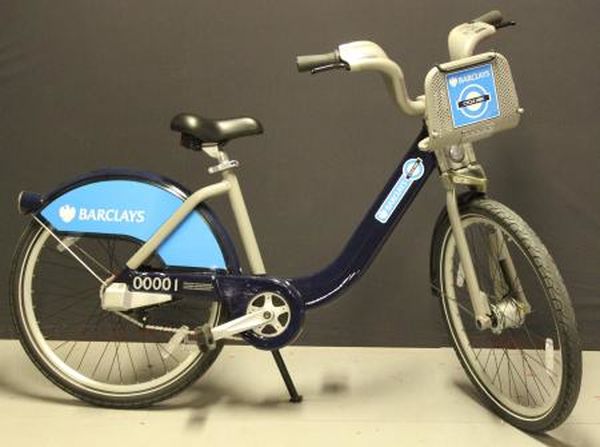
It was in the year of 2007 that then Mayor of London Ken Livingstone announced that he was looking to implement a similar scheme. It was not until Boris Johnson was the Mayor of London that the bikes scheme was finalised, hence them being known colloquially as Boris Bikes. From their debut from 2010 to 2015, they were sponsored by Barclays bank, supposedly in a deal worth £5,000,000 a year according to BBC News.
Who Owns Santander Cycles?
So, we’ve covered a bit of history and already confirmed that the bikes are owned by TfL, so what more is there to say?
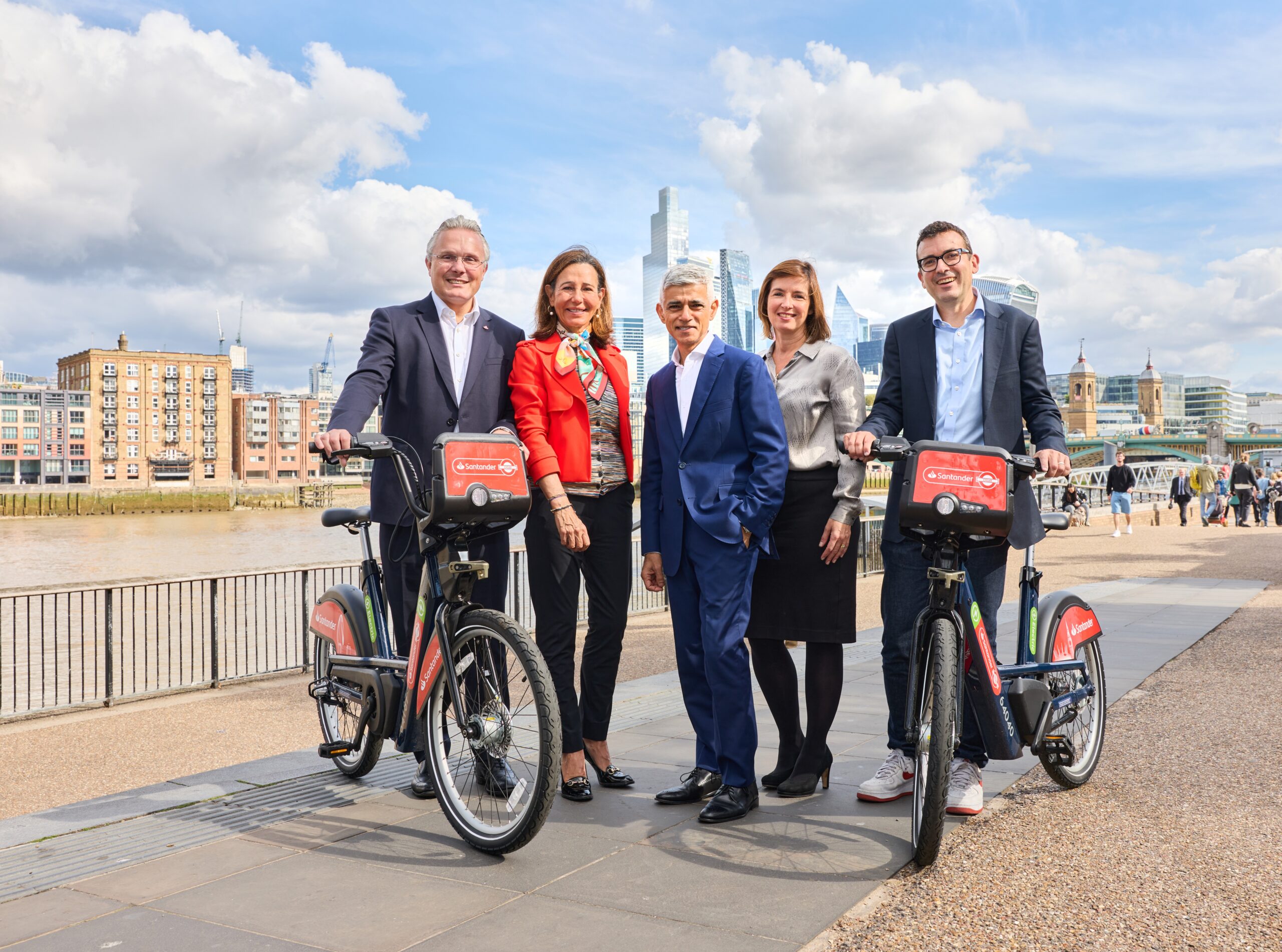
Well it’s important to note here that TfL do not own all Santander Cycles, nor do Banco Santander own any bikes themselves. Santander sponsor the TfL bike sharing scheme, however, possibly due to the success of this, they also have separate schemes at Brunel University, and in Milton Keynes, the latter being Santander’s UK head office. The three schemes are all operated differently, and under different councils. In this article we are talking solely about Santander Cycles in Central London.
How Santander Cycles Work
The cost is the same, but there are three options for hiring Santander Cycles:
- Download the Santander Cycles app on iOS or Android
- Use the terminal which can be found at the docking station
- Buy a £3 membership key from TfL
Costs:
Standard cost
- Non E-Bike: £1.65 per 30 minutes
- E-Bike: £3 per 30 minutes
Day pass and subscriptions
- Day passes: Non E-Bikes – £3.50 for unlimited 60 minute rides (if you go over 60 minutes on a ride, you pay £1.65 per hour extra)
- E-Bikes – £3.50 for unlimited 60 minute rides, with a £1 fee per ride (if you go over 60 minutes on a ride, you pay £3 per hour extra)
- Monthly subscription: Non E-Bikes – £20 a month for unlimited 60 minute rides (if you go over 60 minutes on a ride, you pay £1.65 per hour extra)
- E-Bikes – £20 a month for unlimited 60 minute rides with a £1 fee per ride (if you go over 60 minutes on a ride, you pay £3 per hour extra)
- Annual subscription: Non E-Bikes – £120 a year for unlimited 60 minute rides (if you go over 60 minutes on a ride, you pay £1.65 per hour extra)
- E-Bikes – £20 a month for unlimited 60 minute rides with a £1 fee per ride (if you go over 60 minutes on a ride, you pay £3 per hour extra)
There are also some other discounts you can benefit from should you meet the criteria.
Cycle2Work
There are various options for Santander Cycles on the Cycle2Work scheme (your workplace typically chooses the options offered to employees). Based on the variety of options, and the salary sacrifice tax implications, I have opted to link this.
Santander Cycles London – A Battle of the Banks
Since 2015, it has been competitor Barclays competitor, Santander who has had their logo slapped on the bikes, now being known as Santander Cycles to many. In September of 2025 it was announced that this partnership would be extended to 2032, this truly makes it one of the longest commercial relationships of its time.
Barclays Bank and Banco Santander are each huge institutions, and have each pumped a larger amount of money into making this scheme happen. Whilst it must come with some risks such as bad press for poor riding, and accidents involving the bikes, it must come with good returns. It’s hard to put a number on it, but London is the not only the true capital, but also the financial capital of the UK, meaning that under this branding strategy, these bikes are showing Santander’s brand to millions of people a year where salaries, spending and mortgages are high.
Why London Needs Rental Bikes
So we’ve covered who owns, and who funds these bikes. Now the question becomes ‘why are they needed’, as ultimately whilst they bring money in through sponsorship, there need to be users to make them worthwhile, and the user pays to use them, which then feeds back into the TfL network.
Numbers of TfL bike rides in July 2012 reached a staggering amount of 1 million, in July 2024 this had dropped to around 850,000 users. Whilst declines can be seen as negative things, bear in mind there are plenty more people working from home, or at least in hybrid roles in 2024, and in 2012, London workers were more a 5 day a week schedule. The data for every month from July 2012 until March 2025 (at the time of writing this article) can be found here.
According to Trust For London, the population of London has been growing since 1991, growing to over 9 million in 2025, there are then plenty of non-Londoners who travel in, whether this be a one off tourist, or a regular worker. In 2023, on average, 26.1 million people travelled inside London each day, 8.6 million of them were on National Rail, London Overground, London Underground, Bus, or Tram. This is a lot of people flowing through the city on public transport, many of these people may like to cycle, but not have storage space, or not be able to take one on their train into London. This is where fleets of rental bikes come in, as they are often placed outside of tube stations, and can lighten the load for the transport infrastructure.
Monopoly No Longer
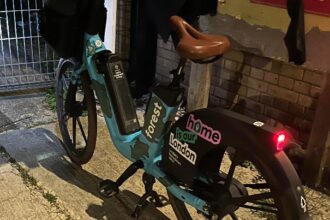
Since 2018 there have been other options pop up such as Lime, offering dockless electric bikes, and sometimes electric scooters. This could also be part of the reason that Santander Cycles use has dropped in recent years. The truth is that whilst Santander Cycles are great, the docks need to be in safe, roomy places. People like me who do not live near tube stations are often missing out on being able to efficiently use a Santander Bike, if I wanted one I would need to spend at least 1 hour on a packed bus first, and still then have to cycle for 30 minutes. I can however, walk a minimum of two minutes, and a maximum of ten, and find Forest, Lime and Voi Bikes, and Lime and Voi Scooters, which would get me to my office door in less than an hour.
Of course, there’s always going to be the argument of docked vs dockless bikes, as there are pros and cons to each. It does annoy me to see bikes and scooters in the way on pavements, but equally I value the ease of being able to locate bikes close to home. Whilst this wont be of comfort to car owners, many bays are turning up in the city specifically for undocked bikes and scooters to be left.
There are of course cost considerations with this, please see our article on London’s App Based Bicycles and Scooters for cost comparisons on this.
Sustainability
TfL are trying to make London sustainable, keeping in line with UN Sustainable Development Goals. Because of this it is important for them to continue to make all forms of transport more eco-friendly. Part of this is about encouraging more cycling, and less driving in the city. For this reason, whilst TfL may not be drastically increasing the amount of docks in London, more is being done to encourage cycling, such as amending the Highway Code in 2022, and offering free cycling classes to all levels.
Are Lime, Forest, Voi etc Competitors to Santander Cycles in London?
Not really. Santander Cycles are owned by TfL, who are interested in infrastructure, as well as supplying bicycles themselves. As with any government ran organisation, there are often cost and regulation concerns, and often private capital can be better at providing supplies such as bikes. Forest has roughly 2,000 more bikes than TfL, whereas Lime has roughly four times the amount, and as mentioned earlier, these span further than Santander Cycle docking stations, and exist in areas where there are only buses and trains, which takes the pressure off the already busy buses.
Whilst the TfL get a lot of money from the cycle sponsorship, there are also large costs associated with keeping the app, bikes and docks up to date. By allowing other companies to pave the roads with bicycles they also share this burden. Lime also pledged £20M to cycling infrastructure in 2025 which again, shares the huge burden that TfL faces.
What Happens if I Damage or Lose a Santander Cycle?
As there are repercussions for this, and these are handy to know before you start using the bikes, please check out TfL’s guide on this.
The Future for Santander Cycles London
Santander Cycles are a great success in London. They have increased the availability of bikes for those who would not want to own one, giving them other options. TfL popularising these has likely led to the fervour that has seen others enter the market. It’s hard to imagine them going anywhere, especially given the renewed sponsorship from Santander until 2032.
This is also a win for TfL separately, as it’s led to more cycling friendly roads, and a bright future for cycling and sustainability in London.

One Comment