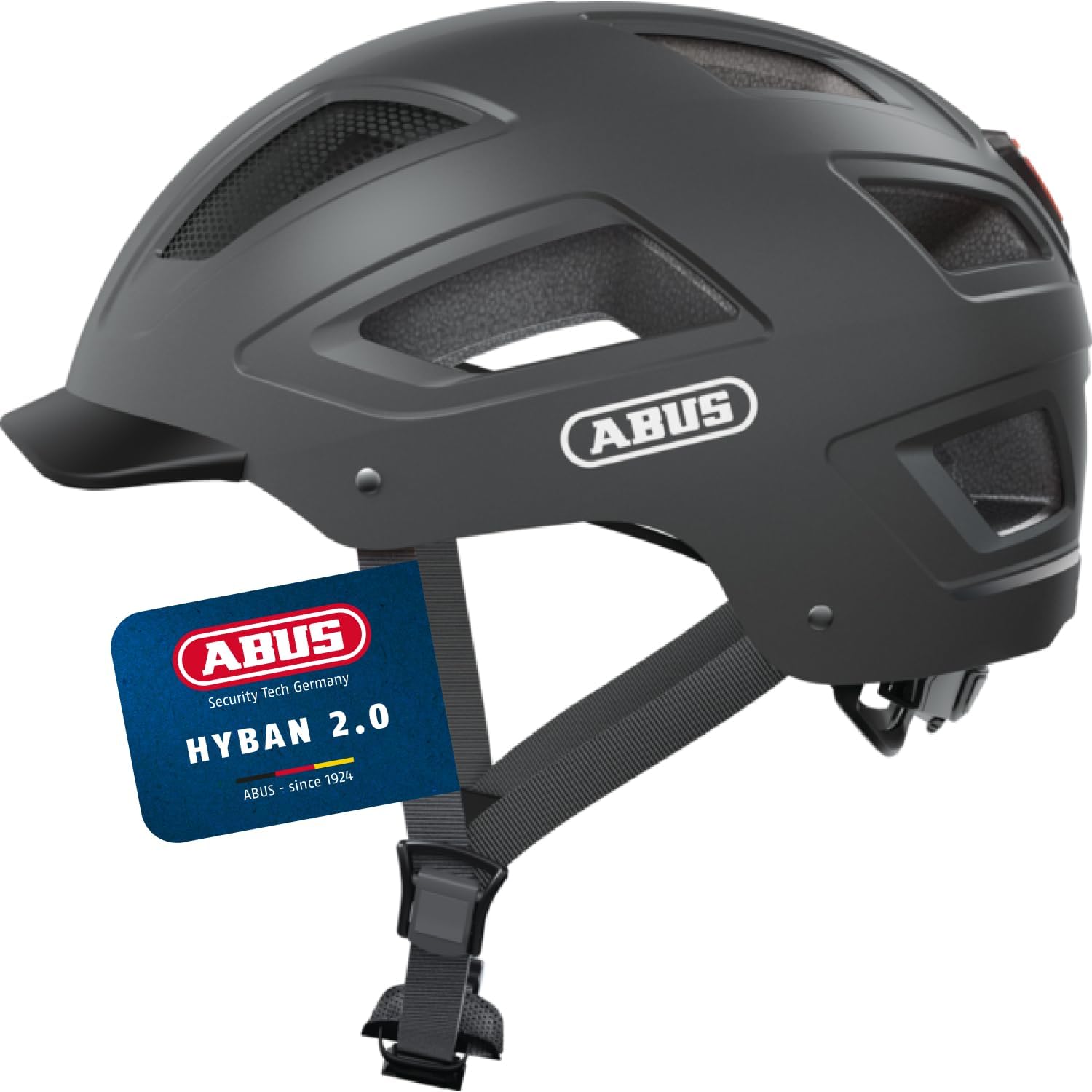
Best Budget Bicycle Helmet for Commuters
When I started cycling to work, one of the main concerns was making sure I had a good helmet! I was not too sure how often I would cycle, nor how long I would continue to be a cyclist (spoiler alert, forever). For this reason, I did not want to break the bank spending £100+ on a helmet, and so I thought I would use all of this research to create this article.
What’s in a helmet?
I’m not about to explain the materials used to make a bicycle helmet here, but there are additional factors to consider when choosing a helmet.
EN 1078:
This is the European safety standard relevant to bicycle helmets sold in the UK. When a helmet meets EN 1078, it means it has been tested for impact protection, strap strength, and overall fit to ensure it can help protect a cyclist’s head in common riding incidents.
NTA 8776:
This is a Dutch safety standard created for bicycle helmets that need to offer extra protection at higher speeds. It was introduced in the Netherlands to address the fact that traditional EN 1078 helmets, which are the standard across Europe, are tested for impacts typical of regular cycling and may not provide enough protection when cyclists travel faster than 25 km/h.
Helmets meeting NTA 8776 are tested with more severe impact forces and provide extended coverage around the sides and back of the head.
In the UK, while NTA 8776 is not legally required, it is highly relevant anyone commuting at faster speeds, as it offers an extra layer of safety beyond the standard EN 1078 certification. It’s worth noting that legal e-bikes in the UK are limited to 25 km/h under motor power, but riders can still exceed this speed by pedaling, just as with a regular bike, so choosing a helmet with extra protection is something to consider.
MIPS:
This stands for Multi-directional Impact Protection System. It is designed to reduce rotational forces on the brain during angled or glancing impacts, which happen when your head hits a surface at an angle or slides across it, rather than striking straight on.
MIPS works by allowing the helmet’s inner layer to move slightly relative to the outer shell, helping to absorb and redirect some of the twisting energy that a crash can generate. This adds an extra layer of protection that can be especially beneficial for commuters, road cyclists, and e-bike riders who are more likely to experience falls at higher speeds or in traffic.
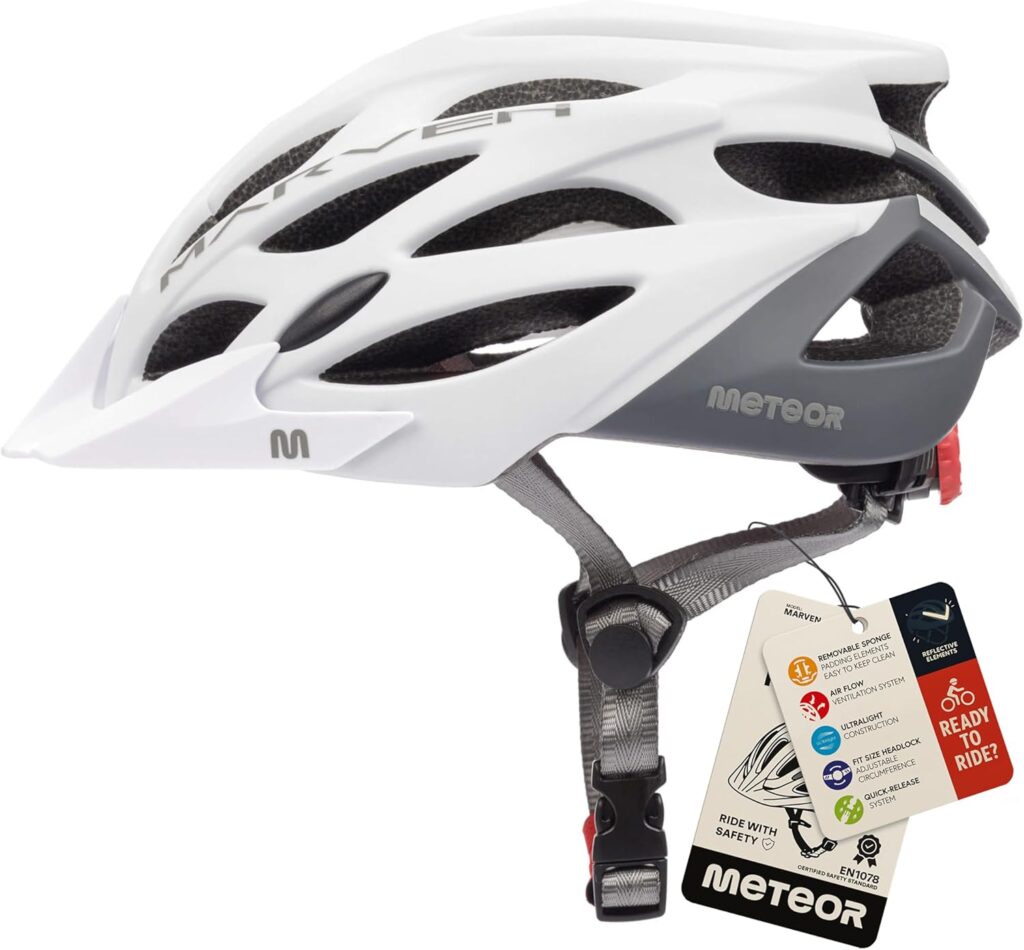
1. Meteor – MARVEN (EN 1078 Only)
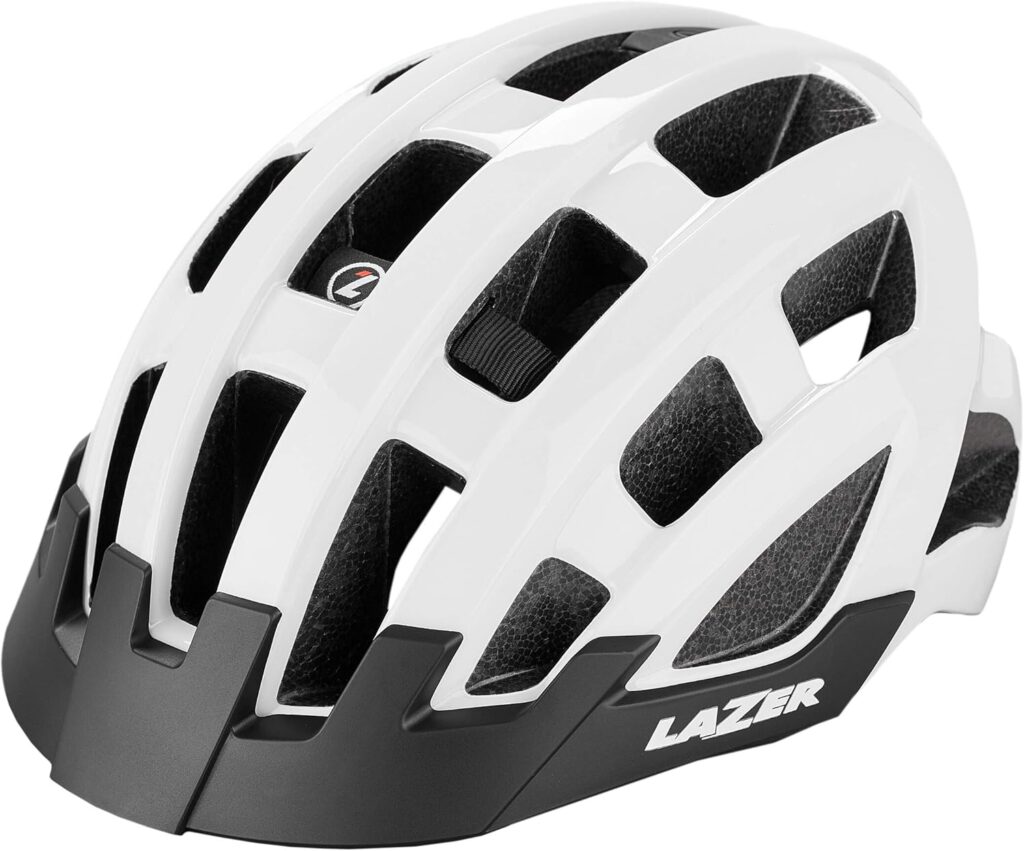
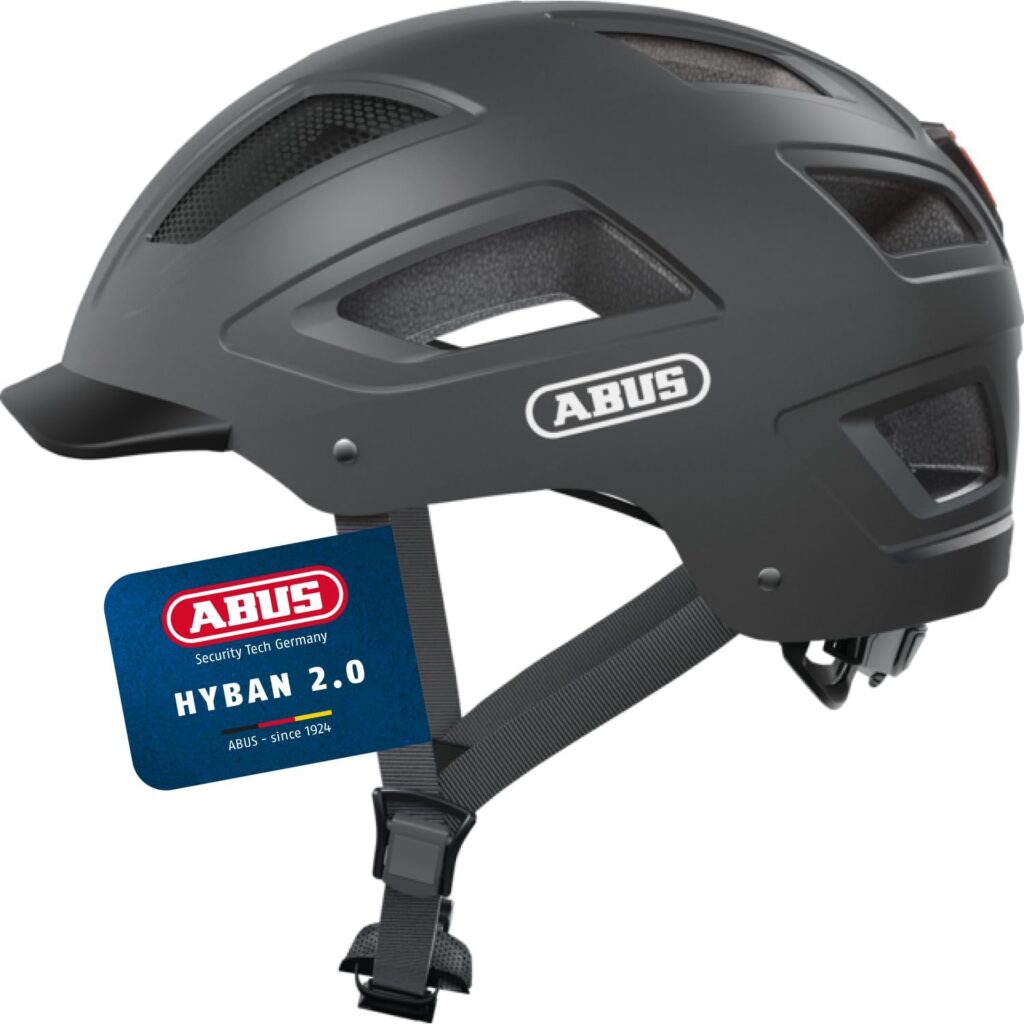
3. ABUS Hyban 2.0 (EN 1078 Only)
As somebody who considers themselves frugal, I will say that owning (and using) a bicycle helmet is one of the most important things you will do as a cyclist, and that it is worth spending money on, even if that’s a budget amount. Ensuring that you are using one, and that it meets minimum safety regulations is super important.