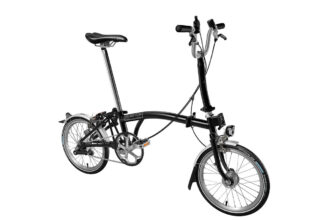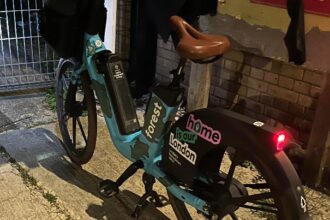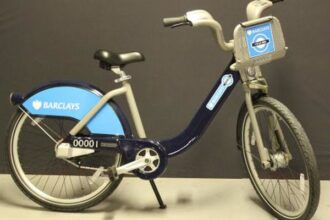
When I first moved to London I was spending about £10 a day getting to and from work, roughly £80 a month once you take out the days I worked from home. These days I pay about £31 a month for 1,800 minutes on Forest e-bikes through the Cycle to Work scheme. So when people ask me what the cheapest way to travel in London is, I have a fairly strong opinion. But it does depend on where you live, how far you go and how often, so in this guide I’ll run through the real costs of every option, from the bus and the Tube to Santander Cycles and the app-based e-bikes.
All prices below are pay as you go fares for adults as of autumn 2026. TfL and the bike operators change their prices fairly often, so do double check before you commit to anything.
The Cheapest Ways to Travel in London at a Glance
- Walking: free, and in central London often quicker than you’d think.
- Your own bike: free once you’ve bought it, if you have somewhere to keep it.
- Santander Cycles annual pass: £120 a year for unlimited rides of up to 60 minutes on a standard bike, about £10 a month.
- Bus: £1.75 a journey, with unlimited bus and tram changes within an hour, capped at £5.25 a day.
- E-bike through Cycle to Work: around £30 a month for a commute, depending on your plan and your salary.
- Tube in Zones 1 and 2: £3.10 to £3.60 a journey, capped at £8.90 a day.
Bus: The Cheapest Public Transport in London
A single bus journey costs £1.75 with contactless or Oyster, and thanks to the Hopper fare you can change onto as many buses and trams as you like within an hour for no extra cost. However many journeys you make, you’ll never pay more than £5.25 in a day, or £24.70 in a week.
If you live near a good bus route and you’re not in a rush, the bus is hard to beat. The catch is time. A journey that takes 25 minutes by bike can easily take an hour by bus in rush hour.
Tube Fares and Daily Caps
The Tube is the fastest way across London, but it’s not cheap. A single journey in Zone 1 costs £3.10 at peak times and £3.00 off-peak, and a journey across Zones 1 and 2 is £3.60 at peak times and £3.10 off-peak.
The good news is that contactless and Oyster cap what you pay:
- Zones 1 to 2: £8.90 a day, or £44.70 a week (Monday to Sunday)
- Zones 1 to 3: £10.50 a day
- Zones 1 to 4: £12.80 a day, or £64.20 a week
Always use the same card or phone for every journey so the caps actually kick in, and if you only travel a few days a week, pay as you go almost always beats a weekly or monthly Travelcard.
Santander Cycles: The Cheapest Bike Option
If you live and work near docking stations, Santander Cycles are the cheapest way to get around London by far. A single ride on a standard bike is £1.65 for up to 30 minutes, but the passes are where the value is:
- Day Pass: £3.50 for unlimited rides of up to 60 minutes
- Monthly Pass: £20 a month for unlimited rides of up to 60 minutes
- Annual Pass: £120 a year for unlimited rides of up to 60 minutes
E-bikes cost an extra £1 a ride on any pass. The big limitation is the docks. If, like me, your nearest docking station is a long bus ride away, the cheapest option on paper isn’t much use. I’ve covered the scheme in more detail in my Santander Cycles London guide.
Lime, Forest, Voi and Bolt: Are E-Bikes Cheap?
On pay as you go, app-based e-bikes are not the cheap option. Lime and Forest both charge £1 to unlock and then 33p a minute, so a 30 minute ride costs about £10.90. Voi is 27p a minute with no unlock fee, and Bolt is 22p a minute (or 43p a mile) in the areas it covers. Do that twice a day and it quickly costs more than the Tube.
Where e-bikes get cheap is with bundles, subscriptions and the Cycle to Work scheme:
- Bundles: 30 day bundles from Lime, Forest, Voi and Bolt bring the cost down to roughly 6p to 10p a minute.
- Short ride subscriptions: Forest FLEX (£6.99 a month), LimePrime (£6.99 a month) and Voi+ (£2.99 a month) all give you flat £1.70 rides, which is great value for short hops.
- Cycle to Work: this is how I pay. Because it comes out of your salary before tax, it can work out much cheaper, and Forest currently advertise commuting from £1.36 a day.
For every bundle and subscription side by side, see my full comparison of e-bike hire in London, or the individual guides to Lime and Voi.
What a Month of Commuting Actually Costs
To make this a fair comparison, here’s roughly what 20 days of commuting a month would cost, with a 30 minute journey each way:
- Santander Cycles (standard bike, annual pass): about £10 a month
- Santander Cycles (standard bike, monthly pass): £20 a month
- E-bike through Cycle to Work: around £30 a month (what I pay for Forest)
- Bus: about £70 a month (£3.50 a day)
- Forest PLUS: £69.99 a month for 1,200 minutes, just enough for this commute
- Tube, Zones 1 to 2 at peak times: about £144 a month (£7.20 a day)
Your own numbers will depend on your zones, how long your ride is and how many days you’re in the office, but the order rarely changes: a bike you pay for monthly or yearly beats public transport, and the Tube is the most expensive way to commute.
So, What’s the Cheapest Way to Travel in London?
If you can walk or ride your own bike, that’s free. After that, a Santander Cycles annual pass is the cheapest option by a long way, as long as you live and work near the docks. For everyone else, the bus is the cheapest public transport, and an e-bike through Cycle to Work is the best value if you want something quicker.
For me, switching from public transport to a Forest e-bike took my travel costs from about £80 a month to about £31, and it got me off packed buses and trains too. If you’re thinking of doing the same, please do wear a helmet. My guide to the best budget bicycle helmets is a good place to start.